
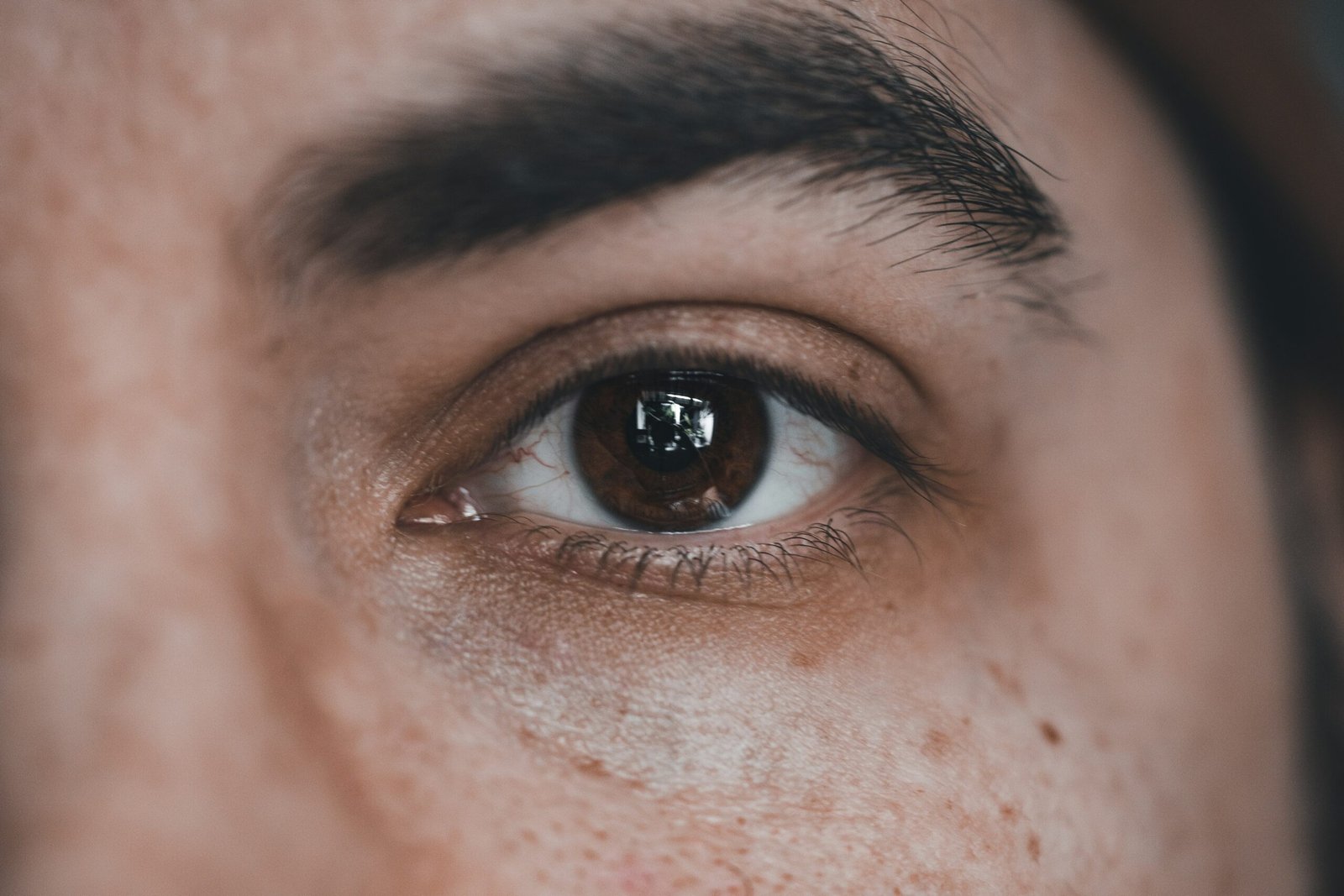

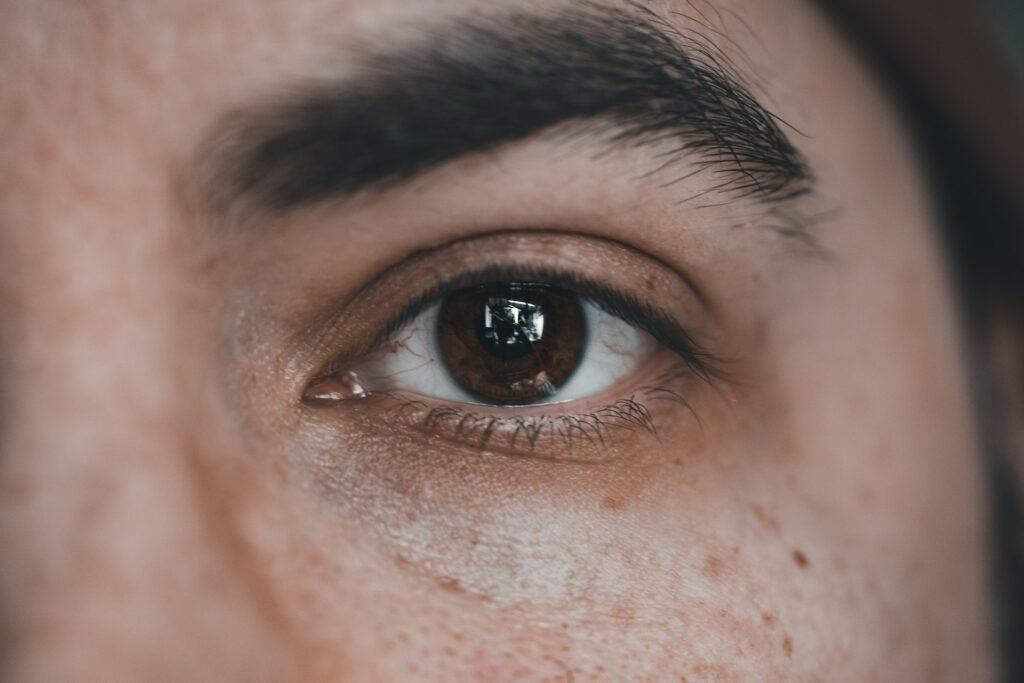
Puffiness under the eyes hits people everywhere, no matter how old they are, their background or sex. Though many brush them off as just tiredness, these shady patches might come from various health or outside influences. Spotting the right kind of under-eye tint matters a lot when fixing it, because getting it wrong means wasting time on fixes that don’t work. Here, we break down the main types of dark circles – melanin-heavy, blood-related, hollow-based, and combo types – with real skin expertise, so you can understand what’s going on and choose better options.
Pigmented Dark Circles: Hyperpigmentation-Driven Shadows
Pigmented dark circles happen when too much melanin builds up around the eyes, giving a brown tint. These are more common in people with skin types III–VI, especially if their genes make pigment cells more active. According to a 2023 report in the Journal of Cosmetic Dermatology, ongoing rubbing or skin irritation from allergies can trigger darker patches after inflammation, piling on extra pigment.
Sun exposure plays a role by sparking melanin production through UV rays, while hormones shifting in pregnancy or menopause add to it. Pigmented dark circles stick around no matter how well you sleep, unlike those caused by tiredness. To spot them, try the stretch test – pull gently under the eye; when the shade gets darker, pigmentation is probably the main cause.
Managing pigment issues means going after melanin production. Creams with hydroquinone – used at 2–4%, and only with a doctor’s guidance – or natural picks like kojic acid and vitamin C can boost results by 30–50% in around 8 to 12 weeks, based on studies. Instead of creams, some opt for TCA peels or laser treatments such as Q-switched Nd: YAG, which break up pigment clusters fast. To keep gains, though, slathering on SPF 30+ sunscreen every day matters just as much as eating foods loaded with lycopene and polyphenols.
Vascular Dark Circles: The Bluish Tint of Circulatory Issues
Vascular under-eye shadows show up as bluish or purplish tones because blood vessels beneath the skin become noticeable, thanks to oxygen-rich hemoglobin showing through. The skin around the eyes is super thin – only about half a millimeter, compared to two millimeters on other facial areas – which lets deoxygenated hemoglobin peek through, giving that see-through look. A recent study in the International Journal of Dermatology (2024) links this kind of discoloration to getting older, since collagen breaks down over time, weakening skin structure so veins stand out more.
Triggers include allergies that widen blood vessels, anemia making skin pale and veins more obvious, or habits such as smoking – this harms tiny blood flows. When the body lacks water, blood color gets stronger, making things worse. Doing the stretch test reveals a lighter shade, which sets it apart from darker, pigment-heavy types.
Therapy methods aim to boost blood flow and hide visible vessels. Caffeine-based eye products shrink blood vessels, which cuts puffiness and dark tones fast – trials show about a 25% improvement quickly. Instead of pills, some go for natural options like horse chestnut or pinokinase to strengthen vein walls. For tougher cases, pulsed dye lasers zero in on blood color using 585–595 nm light, clearing 60–80% after 3 to 5 rounds. Simple daily shifts – like sleeping with your head up, using cool pads, or eating more iron-packed meals – also help build a stronger base.
Structural Dark Circles: Shadows Cast by Anatomy
Structural shadows under the eyes come from bone shape or hollows – not skin tone – making grays appear when light hits just right, especially where the tear trough dips down. The groove near the nose gets more noticeable if fat shrinks or bone wears away over time, forming a dent that looks like dark smudges. According to a 2022 study in the Aesthetic Surgery Journal using 3D scans, seven out of ten people past 40 showed loss of fat around the eye area.
Genetics matter a lot – traits like noticeable under-eye bones or loose connective tissue run in families and speed things up. Losing volume due to shifting weight or fast aging makes shadows deeper. Bright lights from above highlight these dark areas more, yet pulling the skin does nothing to hide them.
Fixing it focuses on bringing back lost fullness. Hyaluronic acid fillers, placed carefully under the eyes, hide hollows right away – the effects stick around for nearly a year and a half, plus they’re cleared by the FDA when used correctly. Fat taken from your own body can last longer, but not all of it sticks (about half to two-thirds stays). Alternatives without surgery, such as polynucleotide shots, kickstart collagen over time, easing the darkness slowly. Keeping bones strong with calcium and vitamin D might also slow things down.
Types of Dark Circles: The Overlapping Challenge
Much of the time, people show a blend of dark circle kinds – pigment-driven, vein-related, or shadow-based. One detailed 2025 Dermatologic Therapy analysis showed two-thirds of cases involve overlapping causes, making ID tougher. Take olive skin: bluish tint from blood vessels might sit on top of darker pigment, whereas sunken areas make each type stand out more.
Checking skin fully matters: doctors use special light to tell brown stuff from blood vessels under the skin. They mix different methods – beginning with creams for dark spots, then light beams for red lines, followed by injections to shape contours – results work better together this way.
New tech like tiny needle devices heats different skin levels at once – triggering collagen growth while sealing small blood vessels. Blood-derived plasma shots use natural healing proteins to fix tissue in several ways, plus studies report half to three-fifths of users feel it works.
Preventive Strategies and When to Seek Professional Help
Sleeping 7–9 hours nightly helps in every case of dark circles – staying hydrated by drinking 2–3 liters daily makes a difference too. Eating foods rich in omega-3s along with antioxidants supports skin health. Skip rubbing your eyes, or you might trigger PIH instead. If allergies act up, using antihistamines can reduce swelling under the eyes.
See a licensed skin doctor when dark circles stick around even after tweaking daily habits, show up with puffiness, or start affecting confidence. Issues like thyroid problems or kidney trouble can show signs around the eyes, which means getting checked by a pro is key.
So, spotting what types of dark circles you have turns a frustrating look into something you can actually fix. If it’s pigment-related, treatments need to focus on melanin. When it’s about blood flow, boosting circulation helps out. For sunken areas, adding volume makes a difference. Cases with multiple causes? They do better with combined approaches. Using proven methods, clearer, fresher under-eyes are within reach – giving both a lift in mood and self-assurance.
Photo by Erik Mclean on Unsplash