

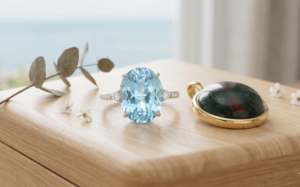
 March is a month blessed with not one, but two distinguished birthstones, each carrying its own unique characteristics and historical significance. The primary birthstone for March is aquamarine, while bloodstone serves as an alternative option for those born in this transitional spring month. Both stones have captivated gemstone enthusiasts and jewelry lovers for centuries, offering distinctive beauty and meaningful symbolism.
Aquamarine: The Primary March Birthstone
Physical Characteristics and Appearance
Aquamarine is a stunning blue to blue-green variety of beryl, a mineral that also produces emeralds and morganite. The stone’s name derives from the Latin words “aqua” (water) and “marina” (of the sea), perfectly describing its serene oceanic hue. The most prized aquamarines display a deep, saturated blue color, though lighter specimens and those with greenish tints are equally valuable and available in the market.
The stone typically possesses excellent transparency and clarity, with well-cut specimens displaying impressive brilliance. Aquamarine crystals can grow quite large, making it possible to find substantial gemstones without significant inclusions or imperfections.
Origin and Mining Locations
Major aquamarine deposits are found across the globe, with notable sources including Brazil, which produces the finest quality stones, as well as Afghanistan, Pakistan, and Madagascar. Nigeria and the United States also contribute meaningful quantities to the global aquamarine supply. Brazilian aquamarines are particularly renowned for their exceptional clarity and vivid blue coloration.
Symbolism and Meaning
Aquamarine has long been associated with calmness, clarity, and peaceful communication. Historically, sailors carried aquamarine stones believing they would ensure safe voyages and protection at sea. In modern gemstone lore, aquamarine is thought to promote tranquility, enhance mental clarity, and encourage truthful expression.
The stone is also believed to foster courage, reduce anxiety, and promote harmony in relationships. Many individuals are drawn to aquamarine for its gentle, soothing energy and its association with emotional balance and spiritual awareness.
Durability and Care
With a hardness rating of 7.5 to 8 on the Mohs hardness scale, aquamarine is sufficiently durable for everyday wear in jewelry applications. However, care should be taken to avoid exposure to extreme temperature changes and harsh chemicals. Regular gentle cleaning with mild soap and warm water will maintain the stone’s brilliance and clarity.
Bloodstone: The Alternative March Birthstone
Distinctive Features and Composition
Bloodstone, also known as heliotrope, is a dark green variety of chalcedony characterized by distinctive red or reddish-brown spots resembling drops of blood. This striking appearance has made bloodstone a popular choice for signet rings and decorative carvings throughout history. Iron oxide inclusions within the stone cause the red markings.
Bloodstone typically displays a dark, forest-green base color with vivid red or crimson specks, creating a dramatic and distinctive appearance. The stone’s opacity and unique patterning make each specimen genuinely one-of-a-kind.
Historical Significance
Bloodstone holds profound historical and religious significance, particularly in Christian tradition. Medieval artisans carved bloodstone into scenes depicting the Passion of Christ, and the stone was believed to commemorate Christ’s blood shed on the Cross. Ancient warriors valued bloodstone for its supposed ability to enhance courage and strength in battle.
Throughout history, bloodstone has been associated with vitality, grounding energy, and physical strength. It has been used in talismans and amulets across numerous cultures for centuries.
Metaphysical Properties and Beliefs
In contemporary gemstone practice, bloodstone is believed to promote physical vitality, boost immune function, and encourage emotional resilience. The stone is often used by individuals seeking to enhance their connection to the earth and their physical grounding.
Bloodstone is thought to stimulate courage, dispel negative energy, and foster genuine self-acceptance. Many healing crystal practitioners recommend bloodstone for individuals facing challenging transitions or needing additional strength during difficult periods.
Durability and Maintenance
Bloodstone rates 7 on the Mohs hardness scale, making it suitable for jewelry but requiring care to prevent scratching. The stone should be cleaned gently with lukewarm water and mild soap, and protected from exposure to harsh chemicals and extreme temperature fluctuations.
Choosing Your March Birthstone
Personal Preference Considerations
Selecting between aquamarine and bloodstone ultimately depends on personal preference, aesthetic sensibilities, and the symbolic meanings that resonate most strongly with you. Those drawn to cool blue tones and associations with calmness and clarity may prefer aquamarine, while individuals attracted to deeper, earthier tones and grounding energy might select bloodstone.
Jewelry Applications
Aquamarine’s translucency and brilliance make it particularly suited to faceted jewelry designs that showcase the stone’s color and light-reflecting properties. Engagement rings, pendants, and earrings featuring aquamarine display exceptional beauty and elegance.
Bloodstone’s opaque nature and distinctive patterns make it ideal for carved designs, signet rings, and decorative pieces. The stone’s dramatic appearance makes strong visual statements in statement jewelry and artistic applications.
Investment Value and Quality Considerations
Quality aquamarine specimens with deep, saturated blue coloring command premium prices. Factors affecting value include color intensity, clarity, size, and origin. Brazilian aquamarines typically command higher prices than stones from other sources due to their superior quality and color.
Bloodstone value is influenced by the intensity and distribution of the red markings, the depth of the green base color, and the stone’s size. Specimens with bold, well-distributed red spots on rich green backgrounds are particularly sought-after by collectors.
[…] someone born in March with their birth flower carries special meaning. A bouquet of daffodils or hyacinths serves not […]
[…] Bloodstone displays a deep, forest green base color accented by bright red or reddish-brown flecks and veins. These red markings, composed of iron oxide, create the distinctive pattern that inspired the stone’s evocative name. The depth of green coloration and the prominence of red inclusions vary with the stone’s geological origin. […]
[…] represents an alternative May birthstone, offering those born in this month another stunning option. This lesser-known gemstone deserves […]