
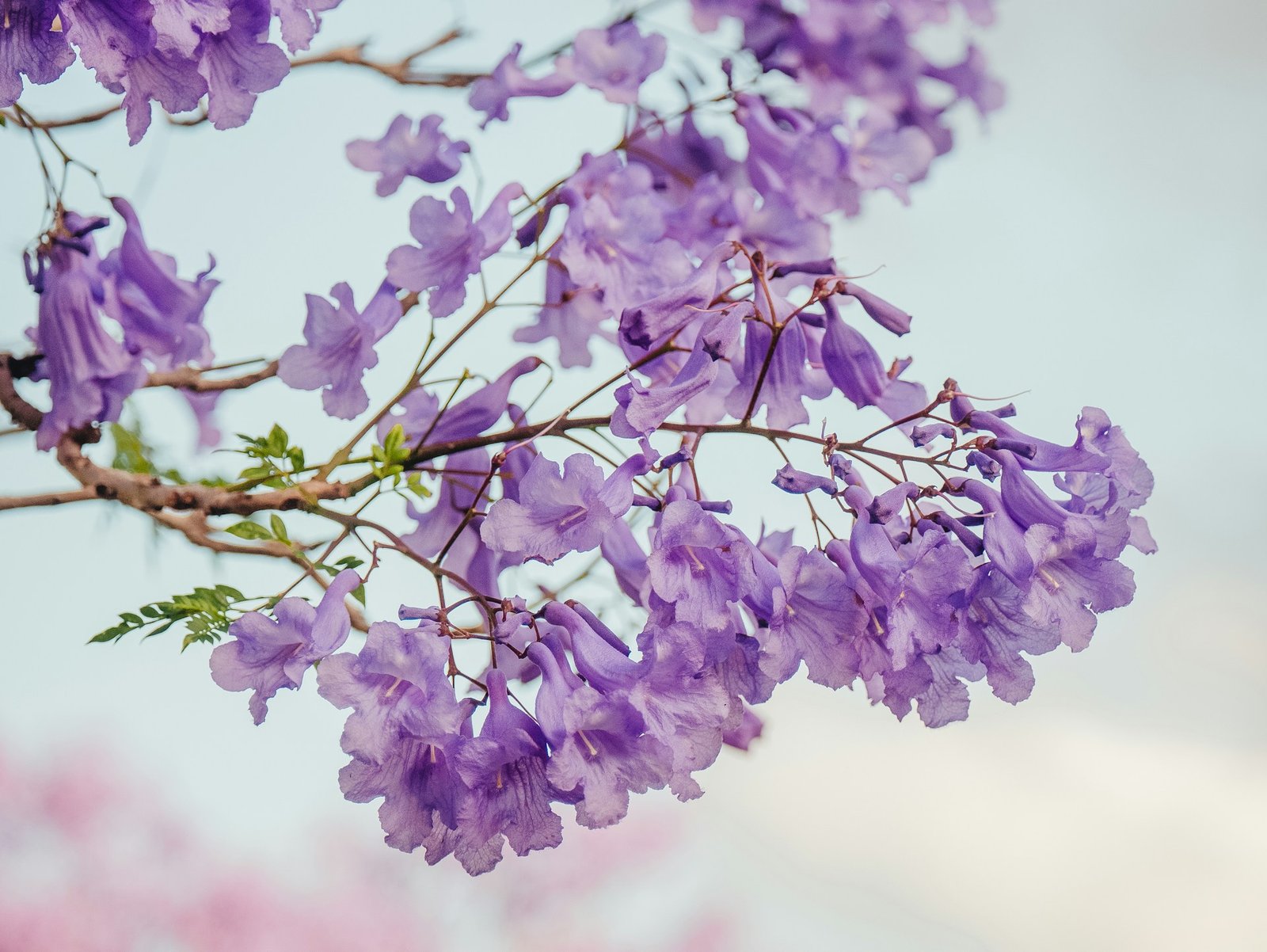

Among the countless shades in the color spectrum, few capture mystery and depth like the indigo color. Often described as the hue between blue and violet, indigo has long been associated with calmness, wisdom, and intuition. From ancient dyes to modern fashion and design, this color continues to inspire creativity and elegance. Its rich and versatile tone makes it one of the most fascinating shades in art, culture, and everyday life.
The History and Origin of Indigo Color
The story of the indigo color goes back thousands of years. Derived from the leaves of the Indigofera plant, the dye was once considered a luxury reserved for royalty and the elite. Ancient civilizations in Egypt, India, and Japan used indigo to color fabrics, create art, and even represent spirituality. The deep blue-purple pigment was so valuable that it was often referred to as “blue gold.”
During the 17th and 18th centuries, indigo became one of the most traded dyes in the world, shaping the global textile industry. Today, while synthetic dyes have made it more accessible, the allure of natural indigo color remains unmatched.
Symbolism and Meaning of Indigo
The indigo color carries powerful symbolism. It represents intuition, perception, and deep thinking qualities often linked to creativity and spiritual growth. In color psychology, indigo is thought to encourage inner reflection and balance the mind. It’s a color that evokes calm and stability while maintaining a sense of mystery and sophistication.
This dual nature makes the indigo color popular in meditation spaces, art studios, and fashion where it reflects both strength and serenity.
Indigo Color in Fashion and Design
In fashion, the indigo color is a timeless favorite. From denim jeans to elegant evening wear, its versatility shines through in every style. Unlike brighter blues, indigo offers a deeper, more mature tone that suits all skin tones and seasons. Designers often use it to convey refinement and confidence.
In interior design, indigo creates a luxurious yet peaceful atmosphere. When paired with white or gold accents, it adds a sense of sophistication to any space. Whether used for walls, decor, or textiles, the indigo color transforms rooms with its calming yet dramatic presence.
How to Use Indigo in Everyday Style
Adding the indigo color to your wardrobe or surroundings doesn’t have to be complicated. Here are a few ideas:
Clothing: An indigo dress or shirt pairs beautifully with neutrals like beige, cream, or grey.
Accessories: Indigo scarves, handbags, or shoes add a subtle pop of elegance.
Home Decor: Cushions, curtains, or rugs in indigo can bring warmth and depth to your space.
Art and Craft: Try incorporating indigo paints, inks, or fabrics to create artistic, meaningful pieces.
The versatility of this shade means you can experiment freely whether you want a bold statement or a touch of understated class.
Conclusion
The indigo color stands as a symbol of harmony, intellect, and quiet strength. From ancient traditions to modern design, its deep hue continues to inspire artists, designers, and thinkers around the world. Whether you wear it, paint with it, or decorate your home in it, indigo never fails to leave a lasting impression. Elegant, versatile, and endlessly captivating, the indigo color reminds us that beauty often lies in depth and simplicity.