

There’s something magical about a watercolor background-with its gentle gradients, flowing colors, and dreamy textures-turning any simple design into art. Whether applied in digital design, traditional painting, or stationery, watercolor backgrounds bring in an air of calmness and creativity that is very rarely matched by other styles.
What is a Watercolor Background?
The background is made with watercolor paints, which are thin and liquid-like. The pigments should be diluted with water so that the colors can smoothly flow and blend into the paper. This creates soft edges, subtle transitions, and organic color variation with each print.
The watercolor background in digital design mimics this organic effect by using brushes, textures, or overlays. The aim is to recreate that hand-painted feel, the unpredictability of charm, wherein no two strokes can ever be the same. Be it traditional or digital, a watercolor background gives depth, emotion, and personality to a design.
Why are watercolor backgrounds so popular?
Watercolor backgrounds have become extremely popular across creative fields, and it’s easy to see why. Their versatility allows them to fit in with almost any style, be it an elegant wedding invitation or modern web design.
One of the biggest reasons behind their charm is their natural beauty. The way colors bleed, blend, and fade gives them a sense of authenticity that feels human and handmade. In a digital world full of flat and rigid designs, watercolor textures reintroduce warmth and softness.
They can be evocative of emotions, too. Pastel blues and greens can be peaceful and serene, while bold splashes of red and gold show energy and confidence. It is for this reason that watercolor backgrounds remain one of the favorites of artists, designers, and even marketers.
Uses of Watercolor Backgrounds
The applications of watercolor backgrounds are limitless. Here are a few of the most common ways they’re used:
Graphic Design: Watercolor textures are utilized in the design of websites, posters, social media templates, and branding materials. The flowy patterns create a more interactive and balanced visual effect.
Stationery and Invitations: Watercolor backgrounds can add an air of softness and sophistication to wedding invitations, greeting cards, and thank-you notes.
Wall Art and Home Decoration: Watercolor patterns printed on canvases or wallpapers add an artistic, soothing vibe inside.
Digital Art: With the help of apps like Procreate or Photoshop, artists use watercolor brushes to blend traditional techniques of art with digital precision.
Fashion and Textiles: Watercolor prints appear in fabrics and fashion design, lending a delicate, artistic touch to apparel and accessories.
Watercolor backgrounds easily adapt to color schemes, so they are ideal for both minimalist and maximalist aesthetics.
Creating a Watercolor Background
Of course, making your watercolor background is fun and quite creative. All you need in case you work traditionally is watercolor paint, brushes, water, and good paper. Start with light washes of color, layered gradually. You can experiment to create blends, splatters, or add salt for texture.
For digital artists, many watercolor brush packs and texture overlays are available. The trick is, of course, to use transparency, gradients, and blending modes to create a natural-looking flow of water and pigment.
If you’re designing for a brand or project, you may want to choose colors that fit the mood or theme – soft pastels that can calm, rich jewel tones that make a statement.
Why Watercolor Backgrounds Never Go Out of Style
Trends come and go, yet watercolor remains timeless. Much of its enchantment lies in the realm of imperfection: these chance flows of paint are reminiscent of nature’s happenstance. It can’t help but feel honest, personal, and expressive. That’s why it inspires artists, designers, and creators worldwide.
A watercolor background isn’t just something in the background; it tells a story. Every stroke, every gradient, and every bleed of color captures emotion and movement, turning any design into a living, expressive thing.
Final Thoughts
A watercolor background merges artistry with emotion. It’s a lot more than decoration; it’s a way to add warmth, personality, and beauty to your work. Be it designing wedding invitations, creating digital art, or decorating your home, watercolor textures bring softness and charm that never go out of style. In this fast-paced, digital world of ours, watercolor reminds us to take a step back and appreciate fluidity, color, and even imperfection. It’s proof that sometimes, the most captivating designs come from a brush dipped in water and imagination.
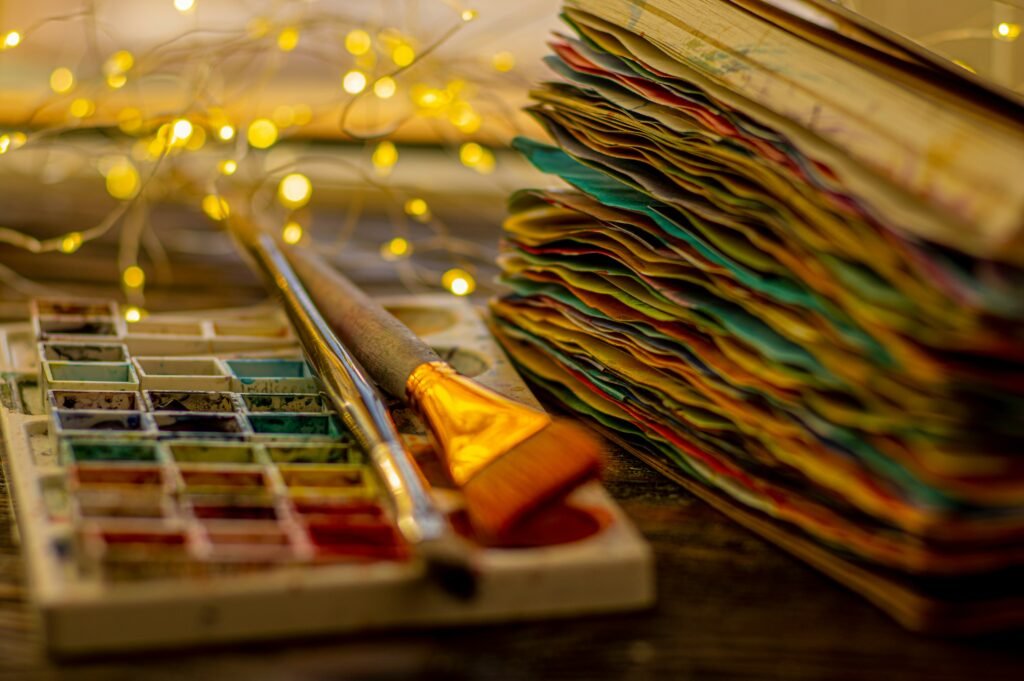
Photo by Elena Mozhvilo on Unsplash