

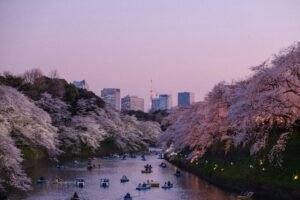
 Japan’s late spring season represents one of the most anticipated periods for international travelers seeking to experience the country’s natural beauty and vibrant culture. Late spring, typically spanning from mid-April through May, offers an ideal combination of favorable weather conditions, stunning botanical displays, and rich cultural celebrations that make it an exceptional time to explore this fascinating destination.
Weather Conditions and Climate Advantages
Late spring in Japan presents optimal climatic conditions for travel and outdoor exploration. During this period, temperatures range between 15°C and 25°C (59°F to 77°F), providing comfortable conditions for sightseeing and walking tours without the extreme heat of the summer months.
The weather patterns during late spring are remarkably stable, with reduced rainfall compared to other seasons. Humidity levels remain manageable, allowing visitors to enjoy extended outdoor activities with minimal weather-related disruptions. Clear skies and pleasant sunshine characterize most days, making photography and scenic appreciation particularly rewarding.
Cherry Blossom Season Extensions
While the famous cherry blossom peak typically occurs in early April, late spring extends this magical period in northern regions. Visitors who missed the initial sakura bloom can still witness spectacular flowering displays in areas such as Hokkaido and northern Honshu, where blossoms flourish later in the season.
- Secondary bloom periods in cooler northern prefectures
- Extended floral displays through late April and early May
- Reduced crowds compared to peak blossom season
- Opportunities to photograph cherry blossoms with green foliage backgrounds
Cultural Events and Festivals
Late spring marks the occurrence of numerous significant cultural events and traditional festivals throughout Japan. Golden Week, celebrated in late April and early May, features multiple public holidays and brings distinctive cultural celebrations and traditions to communities across the nation.
This period witnesses the Takayama Spring Festival, Aoi Matsuri in Kyoto, and various regional celebrations that showcase traditional music, dance, and craftsmanship. These events provide authentic cultural experiences and opportunities to observe Japanese traditions in their most vibrant manifestations.
Natural Attractions at Peak Beauty
Beyond cherry blossoms, late spring reveals Japan’s natural landscape in exceptional condition. Wisteria flowers bloom in abundance, creating cascading purple and white floral curtains across gardens and temple grounds. Hydrangea preparations begin, with early blooms appearing in select locations.
Mountains become accessible as snow melts from higher elevations, opening hiking trails and alpine meadows to exploration. Rice paddies fill with water, creating striking reflections that mirror surrounding landscapes, while tea plantations reach their most vibrant green during harvesting season.
Tourism Advantages and Practicalities
Late spring offers significant advantages for visitors planning their Japan itinerary. Accommodation availability remains reasonable compared to peak early-spring periods, while prices gradually stabilize before summer tourism peaks. Flight availability improves as the initial rush of spring travelers subsides.
Transportation networks function optimally during this season, with reliable train schedules and comfortable travel conditions. Tourist attractions remain popular yet manageable, offering genuine cultural experiences without overwhelming crowds that characterize peak seasons.
Regional Recommendations for Late Spring
Different regions of Japan offer distinct advantages during late spring. The Kanto region around Tokyo provides pleasant urban exploration with accessible cultural landmarks. Kyoto and Kansai regions showcase traditional temples and gardens with ideal visitor conditions.
Hokkaido’s cooler climate extends spring’s pleasures, while the Japan Alps offer spectacular hiking opportunities. Coastal areas become increasingly inviting for those seeking beach activities and maritime experiences, with water temperatures beginning their gradual warming.
Preparation and Planning Considerations
Travelers planning late spring visits should book accommodations and major attractions in advance, particularly around Golden Week when domestic travel increases. Packing should accommodate variable weather, with layers allowing adjustment to temperature fluctuations throughout the day.
Understanding regional variations in spring progression helps optimize travel routes. Northern destinations experience later blooms and cooler temperatures, while southern regions transition more quickly toward summer conditions. This knowledge enables strategic itinerary planning to maximize seasonal experiences.
Conclusion: Optimal Timing for Japan Exploration
Late spring 2026 represents an exceptional window for experiencing Japan’s multifaceted attractions under ideal conditions. The convergence of favorable weather, extended natural beauty, cultural celebrations, and manageable tourism conditions establishes this period as one of the best times to visit Japan. Whether seeking botanical wonders, cultural immersion, or outdoor adventure, late spring offers comprehensive advantages for memorable and rewarding travel experiences throughout this captivating destination.