

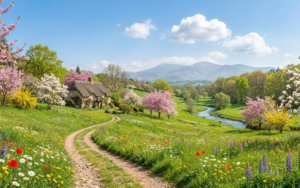
 Spring represents one of nature’s most remarkable transformations, a season of renewal and vibrant visual spectacles that captivate photographers and nature enthusiasts worldwide. Spring season images capture the essence of this magnificent period, showcasing the intricate details and spectacular colors that define the season. From blooming flowers to awakening wildlife, these images serve as windows into the natural world’s most enchanting moments.
The Visual Palette of Spring
The arrival of spring brings an explosion of colors that dominate spring season images across the globe. The landscape transforms from the muted tones of winter into a riot of pastels and vibrant hues. Cherry blossoms paint landscapes in soft pinks and whites, while tulips and daffodils introduce bold yellows and reds. These chromatic transformations create visually stunning compositions that photographers eagerly document.
Floral Diversity in Spring Photography
Spring season images frequently showcase an extraordinary variety of blooming flowers, each with distinct characteristics and aesthetic appeal:
- Cherry Blossoms: Delicate pink and white petals that create ethereal, dreamlike scenes
- Tulips: Bold, structured flowers available in numerous vibrant colors
- Daffodils: Cheerful yellow flowers symbolizing new beginnings
- Hyacinths: Fragrant clustered blooms in purple, pink, and white varieties
- Magnolias: Large, impressive flowers that announce spring’s arrival
- Rhododendrons: Dense flowering shrubs creating spectacular color displays
Wildlife and Natural Activity in Spring
Beyond floral imagery, spring season images capture the awakening of wildlife and the restoration of natural habitats. Birds return from migration in increasingly large numbers, establishing nests and engaging in courtship displays. Spring season images document these behaviors, providing insights into avian ecology and seasonal patterns. Insects emerge from dormancy, butterflies and bees become prominent subjects, and small mammals become more visible as they forage and establish territories.
Photographic Opportunities with Spring Wildlife
The season presents unique opportunities for wildlife photographers to capture compelling imagery:
- Migratory birds establishing breeding territories
- Butterfly emergence and pollination activities
- Nesting behaviors across multiple species
- Young animals and their developmental stages
- Predator-prey interactions in restored landscapes
Weather Patterns and Spring Imagery
Spring weather creates dynamic atmospheric conditions that enhance spring season images. The season brings variable conditions—gentle rains that nourish emerging plants, warm sunlight that encourages growth, and occasional dramatic cloud formations. These meteorological elements add depth and visual interest to photographs. Morning mist over fields, dramatic storm clouds, and soft golden light during extended daylight hours all contribute to the visual richness characteristic of quality spring season images.
Landscape Transformations Captured in Spring Photography
Spring season images document comprehensive landscape transformations occurring across diverse ecosystems. Deciduous forests transition from barren branches to full canopies of fresh green foliage. Meadows shift from dormant brown expanses to wildflower-filled vistas. Water features, including rivers, streams, and wetlands, become more dynamic as snowmelt increases water flow and activity. These large-scale transformations provide compelling subjects for landscape photographers seeking to document nature’s seasonal cycles.
Techniques for Capturing Exceptional Spring Season Images
Creating outstanding spring season images requires understanding both technical and compositional elements. Photographers should consider several key factors when documenting spring scenery:
- Lighting: Utilize golden hour light to enhance floral and wildlife subjects
- Composition: Employ leading lines and the rule of thirds for balanced imagery
- Macro Photography: Capture intricate details of flowers, insects, and emerging foliage
- Weather Utilization: Incorporate seasonal weather patterns into visual narratives
- Depth of Field: Use selective focus to isolate subjects from busy backgrounds
The Ecological Significance of Spring Imagery
Spring season images serve purposes beyond aesthetic appreciation. These photographs document important ecological processes and serve as valuable scientific resources. By cataloging seasonal changes through imagery, researchers can track climate patterns, monitor species populations, and assess ecosystem health. Spring season images create visual records of phenological changes—the timing of biological events like flowering and migration—providing data for understanding environmental responses to climate variation.
Cultural and Artistic Importance of Spring Photography
Throughout history, spring has inspired artists, poets, and photographers. Spring season images continue this tradition, serving as cultural artifacts that connect viewers to seasonal cycles and natural processes. These images feature prominently in galleries, publications, and digital media, influencing aesthetic preferences and environmental consciousness. The celebration of spring through imagery reinforces humanity’s ongoing relationship with natural cycles and seasonal rhythms.
Conclusion: The Enduring Appeal of Spring Season Images
Spring season images capture moments of profound natural beauty and ecological significance. Whether documenting delicate flower blooms, awakening wildlife, or dramatic landscape transformations, these photographs celebrate the season’s remarkable qualities. The diversity of subjects, dynamic lighting conditions, and visual richness available during spring make this season an exceptional time for nature photographers. By exploring spring season images, viewers gain a deeper appreciation for natural processes and the intricate beauty that characterizes this transformative season.
[…] planning late spring visits should book accommodations and major attractions in advance, particularly around Golden Week […]