



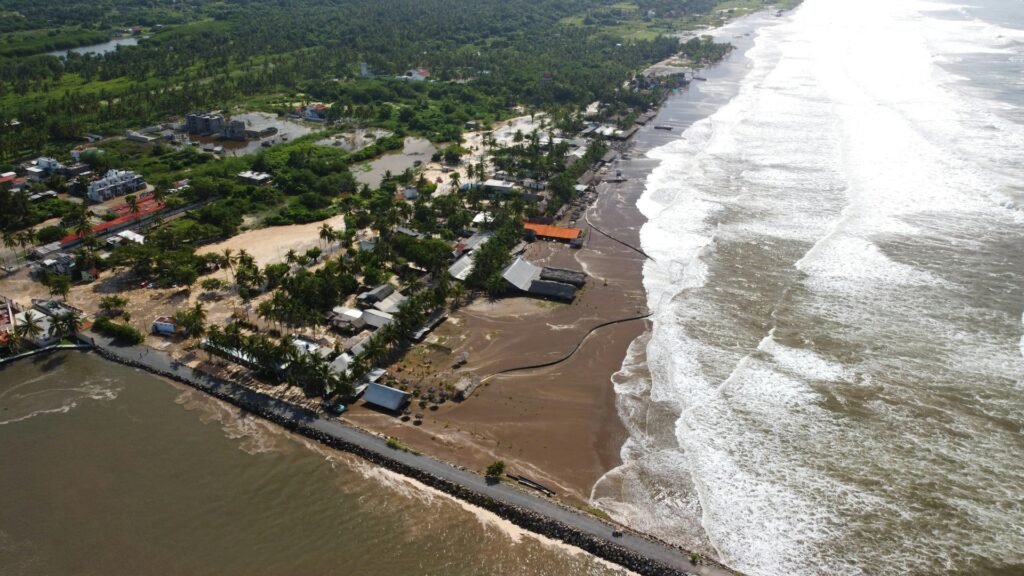
A coastal flood advisory signals that minor seawater flooding is either occurring or expected soon in low-lying coastal areas. Although less urgent than a warning, it’s still a serious alert for anyone living near shorelines. This kind of flooding is not caused primarily by rainfall, but by high tides, strong on-shore winds, or storm-driven water pushing inland. Roads may become slick or blocked, parking lots may accumulate saltwater, and properties near the shore can experience nuisance flooding. While widespread destruction or threats to life aren’t typically involved, ignoring the advisory can lead to preventable damage or safety issues. Below, we’ll break down what a coastal flood advisory actually means, why it happens, how you should respond, and what you need to be ready for.
What Is a Coastal Flood Advisory?
A coastal flood advisory is issued when minor coastal flooding is imminent or already happening. The floodwaters involved are generally shallow and localized, often caused by tides or wind rather than heavy rainfall. The advisory means that while lives and major structures are typically not at risk, the conditions can disrupt travel, affect access, or lead to inconvenience and annoyance for residents.
What Causes It?
Several natural factors can trigger the conditions that lead to a coastal flood advisory:
- Higher-than-normal tides (sometimes called “king tides”) can push sea levels up even without storms.
- On-shore winds that drive water inland from the ocean, bays, or tidal rivers, resulting in flow over land.
- Storm surge or strong wave action, especially when tides and winds align.
- Combination effects: A high tide timed with strong winds or a weather system can overwhelm coastal defences or drainage.
Because the flooding is driven by excess sea water rather than rain runoff, low-lying coastal roads, beachfronts and sea-walls are most likely to be affected.
What You Should Do
When a coastal flood advisory is announced for your region, here are key precautions to follow:
- Move vehicles and valuables away from areas known to flood during high tides or strong winds.
- Avoid driving through flooded roads; standing saltwater may hide hazards or make surfaces slippery.
- Secure outdoor furniture or equipment, especially if winds are strong or tides are rising.
- Keep an eye on tide times and heed local updates. Flooding often aligns with high tides.
- If your property is near tidal reaches, consider elevating sensitive items or using waterproof containers to protect them.
Why It Still Matters
Because a coastal flood advisory involves only minor flooding, it might seem less critical, but the impacts can still be significant:
- Saltwater intrusion can damage vehicles or outdoor equipment over time.
- Roads may become temporarily impassable, disrupting routines or access.
- Erosion of dunes, sea-walls, or coastal terrain can be accelerated with repeated minor flooding episodes.
- Hidden hazards like submerged curbs, dips, or electrical issues may pose risks in flood-affected zones.
Taking the advice seriously can help you avoid hassle and damage.
When It Becomes More Serious
The alert system for coastal flooding typically works in tiers:
- Advisory: Minor flooding expected; nuisance level.
- Watch: Moderate to major flooding possible; prepare for escalation.
- Warning: Moderate to major flooding imminent or occurring; serious risks to life or property.
If conditions worsen, such as stronger storms, higher tides, or extended flooding, stay alert for updates and act accordingly.
Conclusion
A coastal flood advisory is a prompt to stay alert and take preventive action. While it doesn’t signal high-impact disasters, the ripple effects of tidal flooding can still impact access, property, and safety. By understanding what the advisory means, why it’s issued, and how to respond, you’ll be better equipped to protect yourself and your property when coastal water begins to creep inland. Stay informed, act early, and use such alerts not just as a warning but as your cue to prepare.